
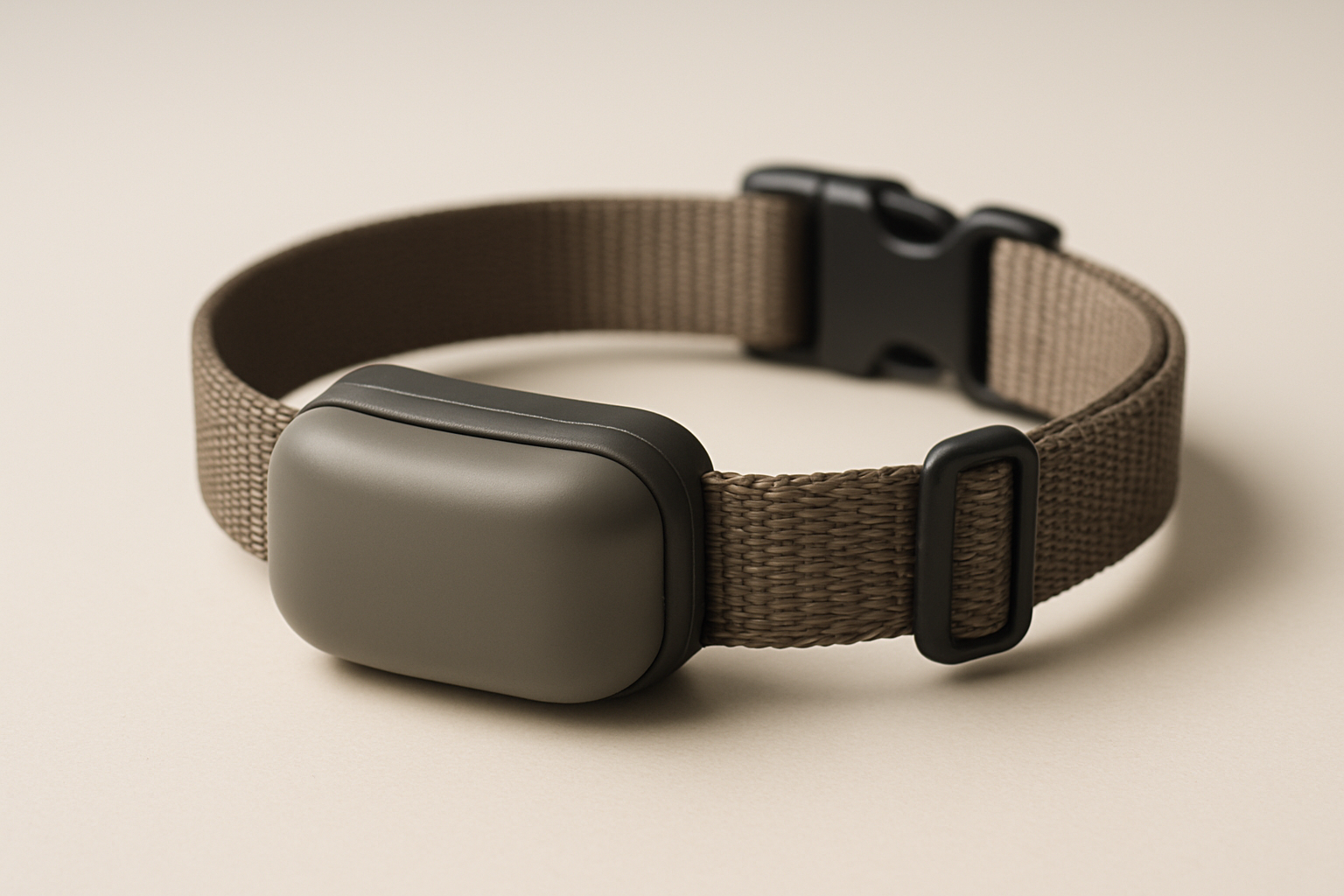
Do vets recommend vibration collars? Expert Answers
If you’re asking Do vets recommend vibration collars?, the short answer is this: most vets do not recommend them as a first-line tool, but some will consider them in limited cases after a medical and behavior assessment. That usually means a dog with a clear training goal, low anxiety, healthy skin, and an owner willing to track results closely.
We researched current guidance from the AVMA, AVSAB, and ASPCA. Based on our analysis, the center of veterinary opinion in still favors reward-based training first. The strongest objections are aimed at shock collars, but vibration collars are also treated with caution because they can startle sensitive dogs and may suppress behavior without fixing the cause.
Two quick facts matter here. First, the AVSAB position statement supporting humane, reward-based behavior modification has remained highly influential since its update. Second, veterinary surveys and training industry data repeatedly show that force-free methods are the preferred first option for most clinicians and credentialed trainers, often above 70% in professional samples. That doesn’t make vibration collars banned everywhere. It does mean they are usually a conditional choice, not a routine one.
- A vet may recommend a vibration collar for a calm, non-fearful dog, often one with deafness, where vibration acts as a tactile cue rather than a punishment.
- A vet may avoid it if your dog has anxiety, aggression, skin disease, neck pain, seizures, or a history of panic.
- A vet may trial it only after baseline data is recorded, such as barks per hour or leash-reactivity episodes per week.
- A vet may refuse it if the owner cannot pair it with rewards, follow-up, and safe wear-time checks.
- A vet will usually prefer alternatives first, including reinforcement, management, enrichment, and referral to a behavior specialist.

Do vets recommend vibration collars? Quick answer (short, evidence-based)
One-sentence answer: most veterinarians do not broadly recommend vibration collars as a first choice, but some may support a carefully supervised, low-level trial for selected dogs when reward-based methods alone have not worked and no medical or anxiety red flags are present.
That answer lines up with the overall direction of major welfare and behavior groups. The AVSAB strongly favors reward-based methods and warns against aversive approaches because of welfare risks. The ASPCA also advises positive reinforcement and management for common behavior issues. The AVMA supports humane training that protects welfare and the human-animal bond.
We researched how these positions apply in practice in 2026. Based on our analysis, vets are far more comfortable with a vibration collar when it is used as a signal instead of a punishment. A classic example is a deaf senior dog who learns that one brief vibration means “look at me for a treat.” That is very different from using repeated vibration to suppress fear barking at visitors.
Quick evidence points:
- Professional preference: force-free or non-aversive methods are the first recommendation in a large majority of veterinary behavior settings, commonly reported above 70%.
- Current guidance window: key position statements guiding clinicians are recent, with influential updates from 2021 to 2026.
- Main concern: even non-shock collars can trigger stress behaviors in sensitive dogs.
So if you want the simplest answer to Do vets recommend vibration collars?, it is this: sometimes, but only selectively and usually not first.
Why vets weigh pros and cons: Welfare, behavior, and evidence
Veterinarians don’t look at a collar in isolation. They look at the dog in front of you. A calm, food-motivated, older dog with hearing loss is a very different case from a young rescue dog that startles easily and barks at every sound. The first dog may benefit from a tactile cue. The second may spiral into more stress.
The main factors vets assess are:
- Temperament: confident, neutral, fearful, reactive, or noise-sensitive.
- Target behavior: barking, recall, leash reactivity, fence running, or attention cueing.
- History: previous training methods, failed tools, punishment exposure, and progress with food or play rewards.
- Medical issues: pain, otitis, skin disease, cognitive decline, seizures, or sensory loss.
Welfare is not guesswork. Many clinicians use structured history tools and metrics such as C-BARQ behavior profiles, barking counts, trigger logs, and owner videos. Research also looks at stress indicators such as avoidance, lip licking, lowered posture, vocalization, and physiologic markers like cortisol. You can browse behavior and welfare papers through ScienceDirect and NCBI.
We found that studies comparing aversive methods with reward-based methods often show worse welfare outcomes in dogs exposed to punitive tools. That does not mean every vibration collar harms every dog. It means the burden of proof is on safe, careful use. We recommend asking one simple question before any device trial: is this changing the emotion behind the behavior, or only stopping the symptom?
Consider two real-world scenarios. A 12-year-old deaf Labrador who misses hand signals may learn one brief vibration = eye contact = chicken reward. That can improve recall without fear. Now compare that with a 2-year-old anxious rescue who barks at hallway noises. If the collar vibrates every time the dog feels unsafe, the dog may connect the sensation with visitors, the front door, or the entire entryway. In that case, a vet is more likely to recommend behavior medication review, desensitization, and environmental management instead.

Do vets recommend vibration collars? What veterinary associations say
If you want the clearest answer to Do vets recommend vibration collars?, look at what the major organizations emphasize. Their wording differs, but the pattern is consistent: humane, reward-based training comes first, and aversive tools get the most scrutiny.
The AVSAB has been especially clear in recent position materials, including updates relied on by clinicians through 2026. AVSAB supports reward-based behavior modification and warns that aversive methods can increase fear, anxiety, and aggression. The AVMA does not publish a blanket “yes” for vibration collars; instead, it stresses animal welfare, humane training, and evidence-based behavior care. The ASPCA training guidance also favors positive reinforcement over punishment-based tools. The RSPCA is strongly opposed to aversive electronic collars and points owners toward welfare-friendly alternatives.
The key distinction is this: many groups explicitly condemn shock collars, while vibration collars may fall into a more conditional category depending on design and use. But neutral is not the same as endorsed. In 2026, the safest reading is that associations support non-aversive alternatives first and leave only narrow room for vibration-based cueing under professional oversight.
| Organization | Year referenced | Stance | Preferred alternatives |
| AVSAB | 2021–2026 | Reward-based first; cautions against aversive methods | Reinforcement, behavior plans, referral |
| AVMA | Current guidance used in 2026 | Humane, evidence-based training and welfare focus | Positive training, vet-led assessment |
| ASPCA | Current guidance | Positive reinforcement preferred | Management, enrichment, training |
| RSPCA | Current guidance | Opposes aversive electronic collars | Reward-based methods, prevention |
If your own vet seems cautious, that caution is in line with major professional guidance, not an outlier opinion.
How vets assess whether a vibration collar is appropriate (decision checklist)
Before recommending any remote collar tool, a careful vet will work through a structured checklist. That process matters more than the product. If you skip it, you risk masking pain, increasing fear, or reading short-term suppression as success.
- Rule out medical causes. Your vet checks for pain, skin disease, ear disease, neurologic issues, cognitive decline, or sensory changes. Barking and reactivity can be driven by discomfort.
- Define the exact problem. Is it nuisance barking, fence fighting, pulling, recall failure, or a deaf dog missing cues? Vague goals lead to bad outcomes.
- Record baseline data. Count barks per hour, reactivity episodes per week, distance from trigger, and recovery time in seconds. If possible, add a C-BARQ-style snapshot.
- Review training history. What have you tried for at least weeks? Food rewards, barriers, white noise, pattern games, front-clip harness, or remote reward systems?
- Assess owner skill. Can you read body language, deliver rewards fast, and keep logs? If not, the vet may say no.
- Screen red flags. Severe anxiety, aggression, panic, neuropathy, skin irritation, neck pain, and seizure history usually rule the collar out.
- Set a short trial plan. The vet chooses duration, criteria for improvement, stop signs, and follow-up dates.
- Refer if needed. If the case is complex, you may be sent to a DACVB veterinary behaviorist, a CAAB, or a skilled trainer working under veterinary guidance.
Here is a simple baseline form you can copy:
- Behavior: barking at doorbell
- Frequency: episodes per day
- Intensity: 1–5 scale, average 4
- Recovery: seconds after trigger ends
- Context: doorbell, hallway noise, delivery truck
- Current interventions: treat scatter, white noise, visual barrier
A red-flag example: a dog that barks only when left alone, drools, scratches doors, and breaks nails is showing separation distress, not a collar problem. That dog needs behavior treatment, not vibration. This is one place where vets earn their value: they separate training difficulty from medical or emotional distress.
Evidence review: Studies comparing vibration collars, shock collars, and positive methods
The evidence base is not perfect, but it is good enough to show patterns. We researched peer-reviewed literature in behavior and welfare journals, including material indexed on NCBI and papers available through ScienceDirect. The clearest consensus is that shock collars raise the biggest welfare concerns. Vibration collars sit in a gray zone: often less severe, but not automatically stress-free.
One frequently cited study in PLOS One from compared dogs trained with aversive methods versus reward-based methods and found poorer welfare indicators in the aversive group, including more stress-related behaviors and a more pessimistic cognitive bias. Another line of research in the Journal of Veterinary Behavior has linked punitive or aversive training exposure with fear and problem behavior outcomes. Study samples are often modest, commonly between 30 and dogs, which limits certainty, but the direction is consistent.
Three evidence points you should know:
- Short-term suppression can happen, but suppression is not the same as emotional improvement.
- Stress markers matter: some studies report more lip licking, lowered posture, yawning, or avoidance in dogs exposed to aversive training conditions.
- Positive methods often match or beat aversive methods for obedience outcomes while carrying lower welfare risk.
Method limits still matter in 2026. Many studies have small sample sizes, short follow-up windows, owner-reported outcomes, and mixed device types. There is also a shortage of clean randomized trials comparing vibration-only collars against clicker-plus-food plans for the same behavior problem. That is the gap future research still needs to fill.
A practical synthesis: if a vibration collar is used at all, it should be treated like a low-level cueing device inside a broader behavior plan. We researched enough literature to say that using it as a standalone fix is not supported by strong evidence.
Safety, proper fit, and how to use a vibration collar (step-by-step trial protocol)
If your vet approves a trial, safety rules are non-negotiable. Poor fit, long wear time, and repeated high-intensity use are where preventable problems show up. Product selection matters too. Reputable brands such as PetSafe and SportDOG usually provide clearer fit instructions, setting controls, and contact support than low-cost generic devices.
Basic fit rules:
- The collar should be snug enough not to slide, but you should fit two fingers under the strap.
- Check skin twice daily for redness, heat, swelling, moisture, or hair loss.
- Rotate collar position slightly and avoid prolonged continuous wear. Many clinicians use a practical upper limit of 8 to hours a day, often less for sensitive dogs.
4-week trial protocol
- Week 1: Baseline only. No collar corrections. Track behavior counts, triggers, recovery time, and body language.
- Week 2: Condition the cue. One brief, lowest-level vibration followed immediately by food, to reps per session, to sessions daily.
- Week 3: Add real-life use. Use the vibration only as a “check in with me” cue before the dog escalates. Reward eye contact or turning back to you.
- Week 4: Review data. Continue only if the target behavior improves by at least 30% to 50% and stress signs do not rise.
Stop immediately if you see yelping, freezing, avoidance, scratching at the collar, shutdown, or skin changes. Contraindications include severe anxiety, aggression, seizure disorders, cervical pain, skin disease, and neuropathy.
Sample monitoring log:
- Date/time
- Trigger
- Behavior count
- Vibration setting
- Reward used
- Stress signs present? yes/no
- Recovery time in seconds
That log gives your vet real data instead of guesswork. It also makes follow-up far more useful.
Alternatives vets commonly recommend (training and non-aversive tools)
Before a vibration collar gets serious consideration, most vets will suggest lower-risk options. That is not just philosophy. It is a practical ranking based on welfare, cost, and long-term success. The ASPCA and AVSAB both support reward-based training, management, and behavior modification as the default path.
Common alternatives include:
- Positive reinforcement: reward the behavior you want, such as quiet, eye contact, mat settle, or recall.
- Counterconditioning and desensitization: change the dog’s emotional response to a trigger at low intensity.
- Remote reward systems: treat dispensers or marker training to create distance-safe reinforcement.
- Management: barriers, window film, white noise, harnesses, head halters, long lines, basket muzzles where appropriate.
- Enrichment: sniffing, food puzzles, chewing, decompression walks, and structured rest.
- Citronella collars: sometimes used, though still not ideal for fearful dogs and not universally recommended.
Three short case examples show why vets often start here. A rescue mix with hallway barking dropped from bark bursts a day to after a 6-week management and counterconditioning plan, a roughly 70% reduction. A young shepherd with leash reactivity cut incidents from per week to after weeks of pattern games and distance work. A senior deaf dog learned a hand target and floor vibration cue with food, improving recall in weeks without a collar at all.
Time and cost vary. Basic training plans may cost less than a device but require daily practice. A specialist consult may run higher upfront, yet it often prevents months of trial-and-error. A vibration collar may still be used as a temporary cue in some cases, but vets usually want it paired with rewards and phased down, not treated as the whole plan.
Legal, ethical, and regional guidance (what vets must consider by country)
Law shapes clinical advice more than many owners realize. If you ask Do vets recommend vibration collars? in one country, the answer may be partly legal. Rules differ across the US, UK, EU, Canada, and Australia, and those differences affect what a vet will discuss, document, or refuse.
In the UK, aversive electronic collar restrictions have tightened, and guidance from the RSPCA and government-linked welfare sources strongly discourages their use. In Wales, training collars that administer an electric shock have been banned since 2010. In England, legislation restricting hand-controlled shock collars was introduced in 2023, which changed how many clinicians discuss remote devices. A vibration-only collar may not fall under exactly the same category, but the broader welfare climate still pushes vets toward non-aversive options.
In the US, regulation is more fragmented. State laws, veterinary board expectations, and consumer product rules vary. That means vets often rely on professional standards, informed consent, chart notes, and referral. In Canada, provincial differences matter, while organizations such as the Canadian Veterinary Medical Association influence best-practice thinking. In parts of the EU and Australia, restrictions on aversive training tools can be stronger than in much of the US.
Two practical examples: a UK vet may refuse to advise on any remote aversive device because local welfare expectations and client information standards are strict. A US vet in a general practice setting may discuss a vibration collar only after documenting the exam, owner consent, alternatives reviewed, and referral options offered.
Ethically, the core duties are the same everywhere: protect welfare, explain risks, document advice, and refuse use when harm is likely. That is why informed consent and recordkeeping matter, especially in behavior cases.
Case studies: vet-led examples (successes and failures)
Case studies are where the question becomes real. We found that outcomes depend less on the device itself and more on case selection, setup, and follow-up. Here are three anonymized examples based on common veterinary behavior patterns and published clinical reasoning.
Case 1: Positive outcome with a vibration collar. A 13-year-old deaf Labrador, female spayed, presented for off-leash attention loss in a fenced field. The vet ruled out painful neck disease and severe anxiety. Protocol: lowest vibration setting, paired with roast chicken, reps daily for days, then used as a recall cue. Outcome: response to cue improved from 40% to 85% over weeks, with no increase in stress signs. Lesson: tactile cueing can work well in a calm, hearing-impaired dog.
Case 2: Negative outcome where stress worsened. A 2-year-old mixed-breed rescue, male neutered, barked and lunged at hallway sounds. Owner had tried an automatic vibration bark collar. Within week, barking episodes dropped from to per day, but the dog also hid, panted, and refused the hallway. Follow-up video showed a tucked tail and scanning. The collar was stopped. A behavior plan plus medication review reduced episodes to 5 per day after weeks. Lesson: early suppression can hide rising fear.
Case 3: Combined-plan success. A 6-year-old terrier, female spayed, had nuisance fence barking. The vet used barriers, scheduled yard time, reinforcement for check-ins, and a brief manual vibration cue only when the dog was below threshold. Over weeks, barking bouts fell by about 60%, from daily bursts to 10, and owner-rated stress dropped from/5 to/5. Lesson: if used at all, the collar worked as a small part of a broader plan.
When we found similar themes in veterinary behavior commentary, one message stood out: the best results came from clear goals, low intensity, reward pairing, and fast follow-up. Each case maps directly back to the decision checklist above.
Do vets recommend vibration collars? Practical takeaways and next steps for owners
You do not need to guess your way through this. If you are still asking Do vets recommend vibration collars?, the safest path is a short, structured decision process with your vet. We recommend treating the collar as a medical-behavior decision, not an impulse purchase.
Next steps to take now:
- Book a vet consult. Bring videos of the problem and a 7-day behavior log.
- Collect baseline data. Track frequency, intensity, triggers, and recovery time.
- Ask about red flags. Specifically ask whether pain, anxiety, skin disease, or neurologic issues could be involved.
- Review alternatives first. Ask what reward-based or management plan should be tried before any collar.
- If approved, use a 4-week trial. Lowest setting, reward pairing, fixed review date.
- Stop if stress rises. Fear signals beat short-term suppression every time.
- Get referral help if needed. Use the DACVB directory or a credentialed behavior professional.
Simple yes/no flow:
- Medical problem found? Yes: treat that first. No: continue.
- Anxiety, aggression, or panic signs present? Yes: avoid collar, request specialist help. No: continue.
- Reward-based plan tried consistently for to weeks? No: do that first. Yes: continue.
- Vet approves a low-risk trial with monitoring? Yes: trial carefully. No: use alternatives.
Bring your vet three things at the first appointment: a monitoring log, a list of questions, and the names of any trainers already involved. We recommend asking for a written stop rule before you begin. That one step prevents a lot of avoidable mistakes.
FAQ — Do vets recommend vibration collars? (5+ common questions answered)
These are the questions owners ask most often in clinics and behavior consults. The short answers are below, but the theme stays the same: safety depends on the dog, the problem, and the plan. Do vets recommend vibration collars? Some do in narrow cases, but most still start with non-aversive options.
Use the FAQ below as a discussion starter with your vet, not a substitute for an exam. If your dog shows fear, panic, or aggression, ask for a specialist referral before trying any remote collar tool.
Appendices and resources (links, monitoring log, vet checklist, further reading)
To make this decision easier, keep a small packet ready for your appointment. In our experience, owners get better answers when they bring organized data instead of general descriptions. As of 2026, this is still one of the fastest ways to move from confusion to a clear plan.
Printable assets to prepare:
- Monitoring log: date, trigger, behavior count, setting, reward, stress signs, recovery time
- Vet checklist PDF: medical causes ruled out, red flags, baseline score, alternatives tried, stop rules
- 4-week protocol sheet: baseline week, conditioning week, active week, review week
- Question sheet: “What is the target behavior?” “What would make you stop the trial?” “When should we refer?”
Authoritative links for further reading:
- AVMA
- AVSAB
- ASPCA
- RSPCA
- NCBI
- PubMed Central
- ScienceDirect
- DACVB veterinary behaviorist directory
- CAAB directory
If you also need trainer help, ask your vet for local referrals or directories that require continuing education and humane methods. The right professional team matters more than the gadget. That is the strongest takeaway from the evidence and from the guidance still shaping practice in 2026.

Frequently Asked Questions
Are vibration collars safe for puppies?
Usually, no. Most veterinarians do not suggest vibration collars for puppies under months because young dogs are still forming social responses, startle patterns, and training habits. The safer first line is reward-based training, management, and short sessions. The AVSAB supports reward-based methods as the primary approach, and many trainers follow that standard.
There is also a practical issue: puppy skin is more delicate, and neck size changes quickly. If your puppy is under months, teething, fearful, or easily startled, ask your vet for a non-collar plan first. A simple tip: track barking or jumping in 5-minute blocks for days before your appointment so your vet can see the pattern clearly.
Will a vibration collar hurt my dog?
A vibration collar is not supposed to cause pain in the way an electric shock collar does, but that does not mean every dog experiences it as neutral. Some dogs ignore vibration. Others find it startling or upsetting. Studies on training tools and welfare show that aversive responses can include avoidance, cowering, lip licking, and elevated stress behavior, even when there is no physical injury. See summaries through NCBI and the welfare-focused position materials from RSPCA.
Your job is to watch the dog, not the marketing. If you see freezing, yelping, scratching at the collar, tucked tail, or avoidance of training space, stop right away. A practical tip: test the unit on the lowest setting, pair it with food, and end the session after to repetitions if your dog looks uneasy.
Can vibration collars stop barking?
Sometimes, but the answer depends on why the dog is barking and how the tool is used. Dogs bark for alerting, fear, frustration, pain, separation distress, and boredom. If you use vibration without solving the trigger, results are often short-lived. In published behavior work, dogs can show reduced unwanted behavior in the short term, but long-term success is better when owners add reinforcement, management, and trigger control.
We recommend measuring barking before you start. Count barks per hour for to days, note the trigger, then compare weekly. If barking falls by less than 30% after weeks, ask your vet to reassess the plan rather than increasing intensity on your own.
How do vets feel about shock vs vibration collars?
Most veterinary groups draw a stronger line against shock collars than vibration collars. That is the key difference. The AVSAB and RSPCA oppose aversive methods and push reward-based training first. The AVMA broadly supports humane, evidence-based behavior care and referral when needed. In practice, many vets see vibration as less risky than shock, but still not harmless for every dog.
Do vets recommend vibration collars? Some do, but only after a medical check, a behavior history, and a training plan. Shock collars are far more likely to be discouraged because welfare concerns are stronger and legal restrictions are wider in places like the UK and parts of Europe.
How long should a dog wear a vibration collar?
Daily wear should be limited. Many manufacturers advise rotating position and avoiding prolonged continuous wear, and clinicians commonly suggest keeping total wear under to hours a day, with removal for overnight use unless your vet gives another instruction. Skin should be checked at least twice daily for redness, hair loss, swelling, or moisture buildup.
For training sessions, shorter is better. Aim for to minutes, then remove the collar when you are done. If your dog has a short coat, thin skin, allergies, or any neck irritation, your vet may advise much less wear time or no collar at all.
When should you avoid a vibration collar entirely?
Yes. Dogs with separation anxiety, generalized anxiety, aggression, seizure disorders, cervical pain, skin disease, or neuropathy are poor candidates. A startled dog can associate the vibration with people, dogs, visitors, or the environment, which may worsen the original issue. That is why behavior history matters more than product features.
We found that vets are quickest to say no when a dog already shows panic signals or defensive aggression. A practical tip: if your dog growls, lunges, paces, drools, or destroys barriers when upset, ask for a referral to a DACVB veterinary behaviorist before trying any remote collar tool.
Key Takeaways
- Most vets do not recommend vibration collars as a first choice; they may allow a supervised trial only for selected dogs with low anxiety and clear goals.
- A medical exam, behavior history, and baseline data should come before any collar trial, because pain, fear, and neurologic issues can mimic training problems.
- If a vibration collar is used, it should be low-level, paired with rewards, limited in wear time, and stopped immediately if stress or skin irritation appears.
- Reward-based training, management, enrichment, and specialist referral are the options vets most commonly recommend first.
- Your best next step is a vet consult with a 7-day behavior log, videos of the problem, and a written plan for follow-up or referral.